
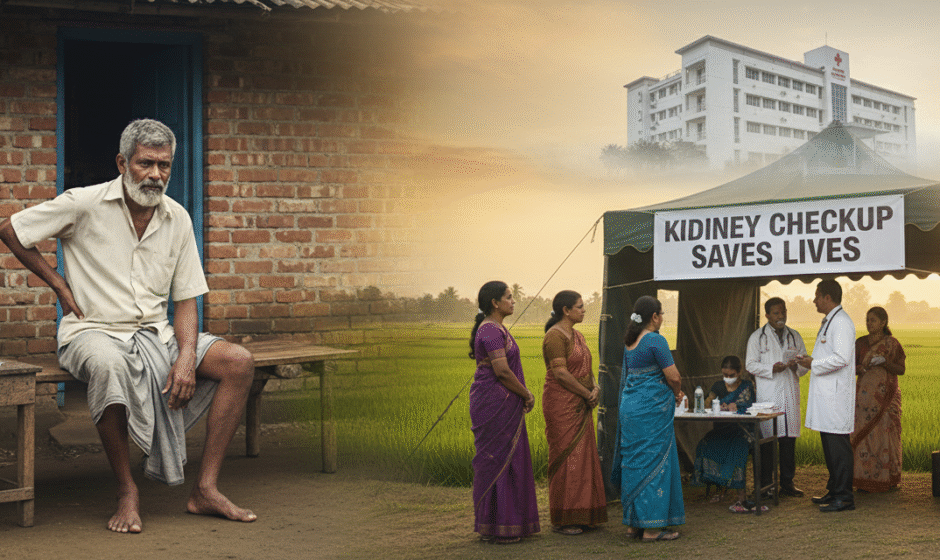

A silent health crisis is growing in Sri Lanka, as Chronic Kidney Disease (CKD) now claims the lives of at least five people every single day. Health authorities are raising the alarm, urging the public to understand the risks and prioritize prevention.
According to the National Unit for Kidney Disease Prevention and Research, the disease is far from rare—it’s a national emergency. In 2023 alone, CKD led to over 1,600 deaths and more than 213,000 hospital admissions, highlighting the immense strain on the nation’s healthcare system.
“One in every ten Sri Lankans is affected, and many suffer in silence due to lack of early symptoms,” warned Dr. Chintha Gunaratne, the Acting Director of the Unit.
Why is This Happening?
CKD is a complex condition with multiple contributing factors. In Sri Lanka, experts have identified several primary causes that are driving the epidemic:
- Diabetes and high blood pressure are the leading culprits.
- Kidney infections and untreated kidney stones.
- A genetic predisposition or family history of the disease.
- Prolonged, unmonitored use of certain painkillers or traditional medicines.
- Exposure to environmental toxins and agrochemicals.
The Danger of Silence: Why Screening is Vital
One of the most dangerous aspects of CKD is that it often develops without any noticeable symptoms in its early stages. Professor Eranga Wijewikrama, a leading nephrologist, emphasized that by the time symptoms like swelling around the eyes and feet, frequent urination, or blood in the urine appear, the disease may have already progressed.
“There are no symptoms in the early stages. That’s why regular screening is essential, especially for those with diabetes, hypertension, or a family history of kidney disease,” he stated. Early detection is the key to managing the disease effectively and preventing severe complications.
How to Protect Your Kidneys 🛡️
The good news is that many cases of CKD can be prevented or delayed through lifestyle changes. Health officials recommend the following steps:
- Exercise Regularly: Aim for 30-60 minutes of moderate activity, five days a week.
- Maintain a Healthy Diet: Significantly reduce your intake of salt and sugar, and maintain a healthy weight.
- Stay Hydrated: Drink an adequate amount of clean, safe water daily.
- Avoid Harmful Substances: Stop smoking, limit alcohol, and never take medication, especially painkillers, without a doctor’s advice.
- Be Cautious with Chemicals: Use agrochemicals and other toxins responsibly and with protective gear.
Hope Through Treatment
For those diagnosed with CKD, it is not a death sentence. Professor Wijewikrama reassures the public that effective treatments are available right here in Sri Lanka.
“Dialysis and transplants are available,” he confirmed. “There’s no need to fear. With proper care, patients can live long, healthy lives.”
The crucial message from health authorities is clear: be proactive about your kidney health. Through awareness, regular screening, and healthy living, Sri Lankans can fight back against this silent killer